【新民學館】

湯之盤銘曰:“苟日新,日日新,又日新。”康誥曰:“作新民。”

在儒學發展史上,北宋程顥、程頤兄弟與南宋朱熹(合稱 “程朱”)之所以極力凸顯 “入德之門” 的重要性,絕非單純的經典考據選擇,而是關乎儒學生死存亡的 “道術重構”。其本質是回應兩大核心挑戰:在思想層面,重塑儒家義理的形上高度,與佛、道兩教爭奪中國人的精神主導權;在教育層面,重建由 “初學” 通往 “聖賢” 的道德階梯,扭轉漢唐以來章句訓讀脫離道德實踐的學風。 In the history of Confucianism, the reason why the Northern Song brothers Cheng Hao and Cheng Yi together with the Southern Song’s Zhu Xi (collectively known as the “Cheng-Zhu” school) so vigorously highlighted the importance of the “Gateway to the Virtue Realm of Sagehood ” was by no means a simple choice of classical exegesis; rather, it concerned a “reconstruction of the Way and its arts” that would determine the very survival of Confucianism. Its essence lay in responding to two core challenges: at the intellectual level, to...
As a core theoretical proposition in the practical philosophy of Cheng-Zhu Neo-Confucianism, “Gateway to the Virtue Realm of sagehood ” defines the fundamental starting point of Confucian moral cultivation. The Cheng Brothers regard The Great Learning as the essential entry for novice learners to pursue virtue. Inheriting this doctrinal judgment, Zhu Xi reconstructs the framework of the “Three Fundamental Principles and Eight Practical Articles” articulated in The Great Learning and formulates a hierarchical and progressive system of virtuous cultivation. This cultivation trajectory initiates from the investigation of things and extension of knowledge, advances through the sincerity of volition, rectification of the mind, self-cultivation, and familial regulation, and ultimately culminates in state governance and world pacification. Centered on the sagehood ideal and grounded in the canonical exegeses of The Great Learning by the ...
“入德之門” 是程朱理學工夫論的核心命題,標定了儒家學者道德修養進程的道德起點。二程將《大學》定性為 “初學入德之門”,朱熹承續這一學術判定,通過重構《大學》的 “三綱領八條目”,搭建起由格物致知起始、經由誠意正心與修身齊家、終達治國平天下的完整進德路徑。本文以學為聖賢的理想目標為導向,以程朱《大學》詮釋的原典為核心依據,結合相關學術研究成果,逐層解析 “入德之門” 的本體內涵、工夫方法及理論意義,闡明其貫通內聖外王的次第邏輯,揭示儒家下學而上達、由初學入門終至聖賢境界的道德修養進程。  The “Gateway to the Virtue Realm of Sagehood ” is a core proposition in the theory of self-cultivation (gongfu) of Cheng-Zhu Neo-Confucianism, marking the virtue starting point of the Confucian process of moral cultivation. The Cheng brothers defined the Confucian Classic The Great Learning as “the gate for beginners to enter the Virtue Realm of Sagehood,” and Zhu Xi inherited this doctrinal judgment. By reconstructin...
共 21 條,共 4 頁 跳轉至

查看更多 +

【入德之門】

學為聖賢,優遊聖賢之域,涵養品德、培育德性的門徑

在儒學發展史上,北宋程顥、程頤兄弟與南宋朱熹(合稱 “程朱”)之所以極力凸顯 “入德之門” 的重要性,絕非單純的經典考據選擇,而是關乎儒學生死存亡的 “道術重構”。其本質是回應兩大核心挑戰:在思想層面,重塑儒家義理的形上高度,與佛、道兩教爭奪中國人的精神主導權;在教育層面,重建由 “初學” 通往 “聖賢” 的道德階梯,扭轉漢唐以來章句訓讀脫離道德實踐的學風。 In the history of Confucianism, the reason why the Northern Song brothers Cheng Hao and Cheng Yi together with the Southern Song’s Zhu Xi (collectively known as the “Cheng-Zhu” school) so vigorously highlighted the importance of the “Gateway to the Virtue Realm of Sagehood ” was by no means a simple choice of classical exegesis; rather, it concerned a “reconstruction of the Way and its arts” that would determine the very survival of Confucianism. Its essence lay in responding to two core challenges: at the intellectual level, to...
As a core theoretical proposition in the practical philosophy of Cheng-Zhu Neo-Confucianism, “Gateway to the Virtue Realm of sagehood ” defines the fundamental starting point of Confucian moral cultivation. The Cheng Brothers regard The Great Learning as the essential entry for novice learners to pursue virtue. Inheriting this doctrinal judgment, Zhu Xi reconstructs the framework of the “Three Fundamental Principles and Eight Practical Articles” articulated in The Great Learning and formulates a hierarchical and progressive system of virtuous cultivation. This cultivation trajectory initiates from the investigation of things and extension of knowledge, advances through the sincerity of volition, rectification of the mind, self-cultivation, and familial regulation, and ultimately culminates in state governance and world pacification. Centered on the sagehood ideal and grounded in the canonical exegeses of The Great Learning by the ...
“入德之門” 是程朱理學工夫論的核心命題,標定了儒家學者道德修養進程的道德起點。二程將《大學》定性為 “初學入德之門”,朱熹承續這一學術判定,通過重構《大學》的 “三綱領八條目”,搭建起由格物致知起始、經由誠意正心與修身齊家、終達治國平天下的完整進德路徑。本文以學為聖賢的理想目標為導向,以程朱《大學》詮釋的原典為核心依據,結合相關學術研究成果,逐層解析 “入德之門” 的本體內涵、工夫方法及理論意義,闡明其貫通內聖外王的次第邏輯,揭示儒家下學而上達、由初學入門終至聖賢境界的道德修養進程。  The “Gateway to the Virtue Realm of Sagehood ” is a core proposition in the theory of self-cultivation (gongfu) of Cheng-Zhu Neo-Confucianism, marking the virtue starting point of the Confucian process of moral cultivation. The Cheng brothers defined the Confucian Classic The Great Learning as “the gate for beginners to enter the Virtue Realm of Sagehood,” and Zhu Xi inherited this doctrinal judgment. By reconstructin...
共 21 條,共 4 頁 跳轉至

查看更多 +

【為學之道】

歷代聖賢進德修業,學為聖賢的為學之道成就中國學習學之大成

暂无数据

共 5 條,共 1 頁 跳轉至

查看更多 +

【蒙學學館】

童蒙養正,聖功也,學為聖賢始於童蒙

暂无数据

查看更多 +

【家訓學館】

祖宗殷切叮嚀的千年迴響,聖賢之道的家道落實

暂无数据

查看更多 +

【甲骨學館】

一片甲骨驚天下,甲骨文字鑄華夏,解密中華文明賡續五千年的文字密鑰

暂无数据

查看更多 +

【說文學館】

一把打開中華文化遺產寶藏的密鑰

暂无数据

查看更多 +

【四書學館】

中國人的成人之道,中國人之所以成為中國人的文化密碼

暂无数据

共 6 條,共 1 頁 跳轉至

查看更多 +

【五經學館】

何以奠基教育、政治、倫理的理論基礎,塑造文化認同與價值觀

暂无数据

查看更多 +

【十三經學館】

中華文化的根和源頭

暂无数据

查看更多 +

【二十四史學館】

祖宗曾經如何一路走來的智慧啟示錄昭示我們如何走向未來的路

暂无数据

查看更多 +

【典籍傳譯計劃】

聖賢典籍,祖宗血脈,中華文脈,傳承傳譯,時不我待

暂无数据

查看更多 +

【傳承人計劃】

祖宗在上,聖賢領航,如何做好中華文化遺產的傳承人

暂无数据

查看更多 +

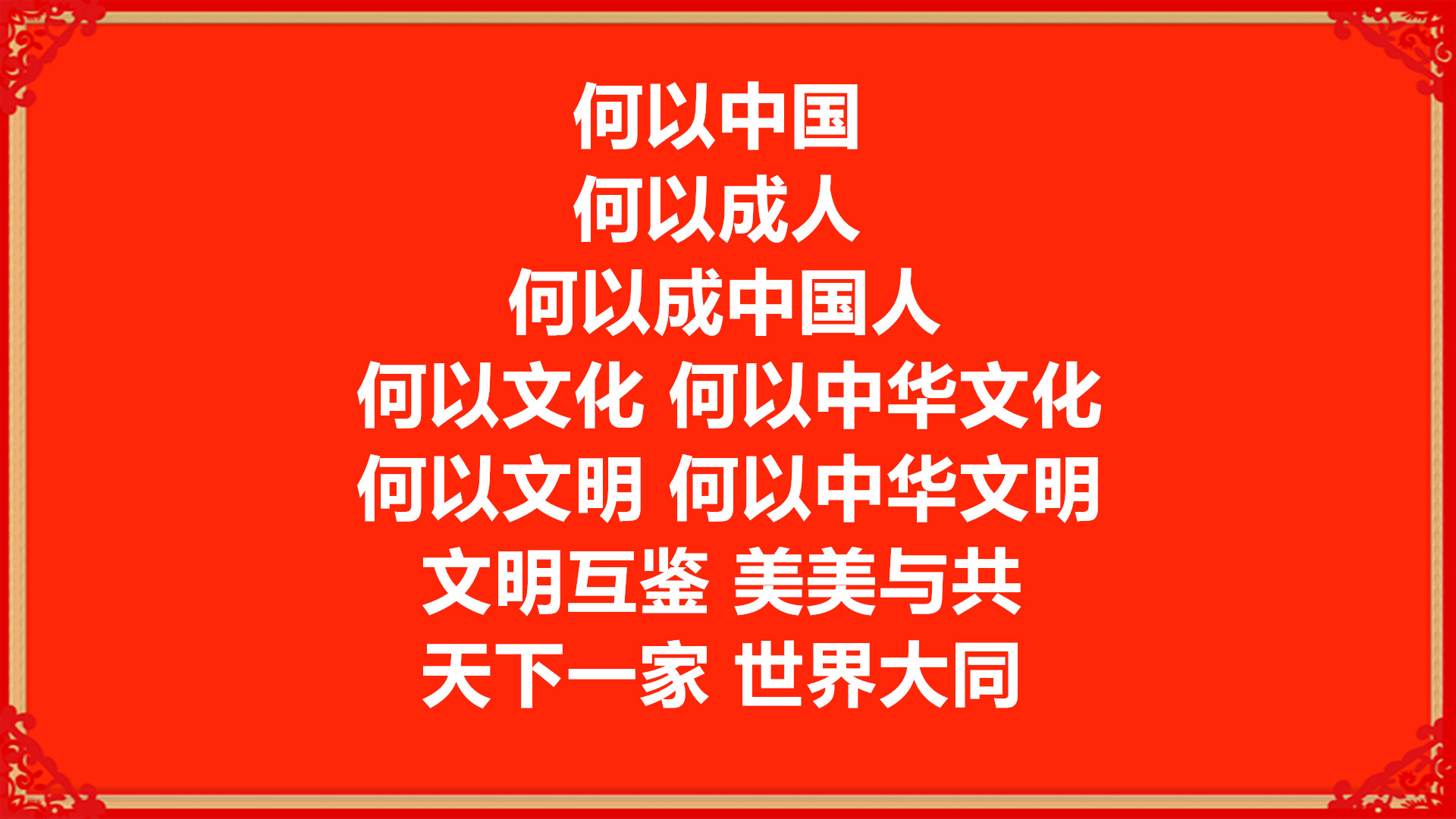
【何以中國】

多元一體的民族與文化何以熔鑄成大一統中國的文化密碼

暂无数据

查看更多 +

【何以文化】

探索文化何以塑造我們和不同文化的興衰毀滅的歷史啟示錄

暂无数据

查看更多 +

【何以文明】

人類發展史中探源文明何以形成

暂无数据

查看更多 +

【何以成人】

中國人的成人之道——學以成人,學以成君子,學以成聖賢

暂无数据

查看更多 +

【何以成中國人】

何以成為一個有骨氣,有志氣,有底氣,有血性的中國人

暂无数据

查看更多 +

【何以中華文化】

中華文化何以香火不斷,薪火相傳的文化基因

暂无数据

查看更多 +

【何以中華文明】

中華文明何以歷劫滅而生生不息的文明密碼

暂无数据

查看更多 +

【文明互鑒 美美與共】

各美其美 美人之美 美美與共 世界大同

暂无数据

查看更多 +

【天下一家 世界大同】

聖人耐以天下為一家,中國為一人

暂无数据

查看更多 +

我們的使命

傳承聖賢之道

傳譯聖賢典籍

我們的志向

傳承聖賢道統

傳播聖賢智慧

我們的志業

述而不作,信而好古

古籍今譯,典籍英譯

終極理想

復歸民族自性,建立民族自信,實現民族復興,天下一家,世界大同
  • toolbar
    toolbar
  • toolbar
    400-88888888
  • toolbar
    返回顶部